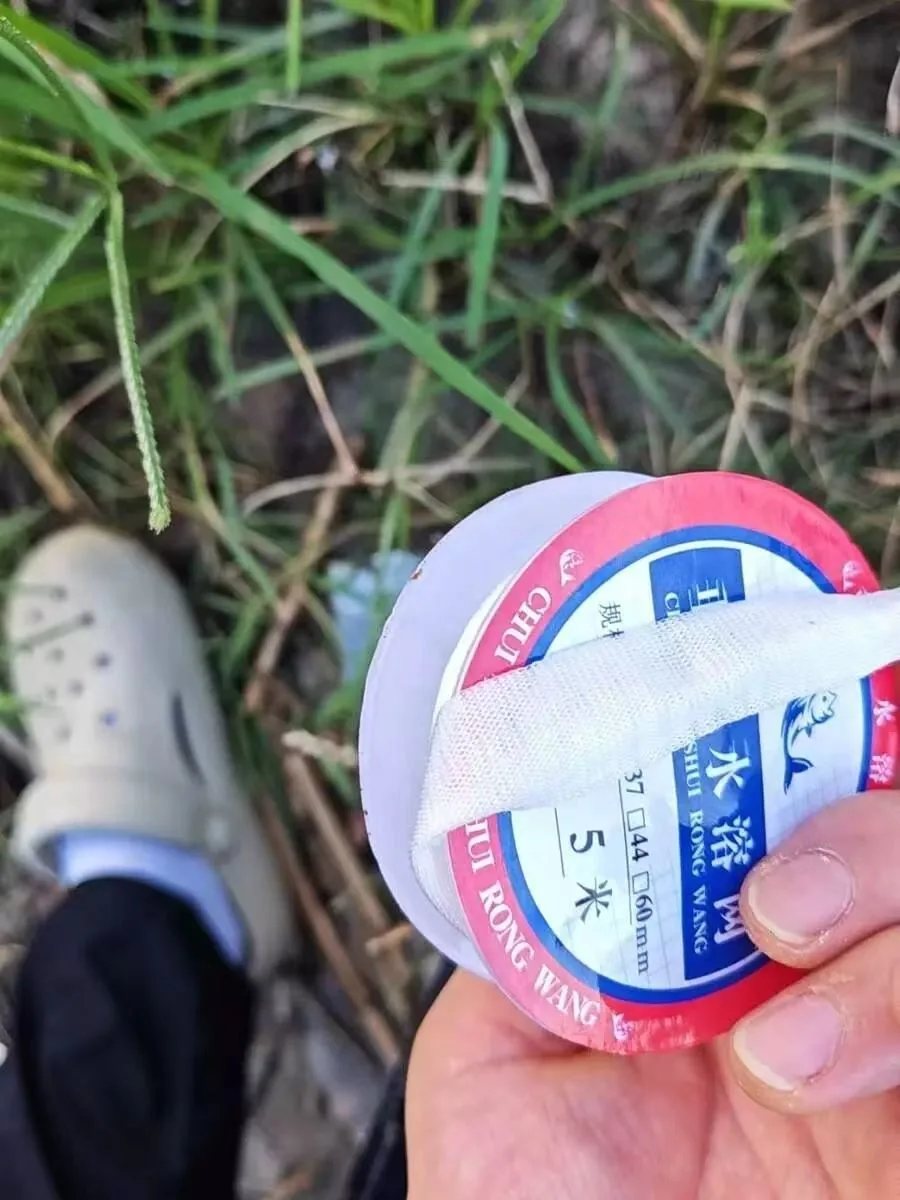
PVA mesh and PVA film are the same polymer doing opposite jobs: film keeps water out until you want it in, mesh lets water in immediately so the bait starts working before the bag dissolves. Mesh is therefore specified by what it carries — mesh count against bait size, tube diameter against cast weight, and the cold-water melt time that a warm-water test will overstate. This guide covers mesh count and tube size selection, the stocking versus woven distinction, and the cold-water check that lets two suppliers be compared on equal terms.
Most PVA sold to anglers is mesh, and most of the technical questions anglers and distributors ask are about mesh rather than film. How fast does it melt? How much bait will it hold? Does the mesh count matter? Will it melt in cold water? The answers all come back to one thing: what the bag is carrying, and where it is being cast.
The buying question behind those questions is different again. A tackle brand sourcing PVA mesh is choosing a specification that its customers will judge on a riverbank in February, in water at 4 °C, and the difference between a good and a poor mesh is measured in minutes of visible clouding rather than in any data sheet figure.
Mesh count: what the number actually changes
Mesh count is the number of openings per unit length. It changes three things at once, and they pull against each other:
- Fill retention. A finer mesh holds small particles - pellets, groundbait, crumb - that a coarse mesh lets through before the bag hits the bottom. If the bag is meant to deliver a cloud of fine particles at the hookbait, the mesh has to be fine enough to carry them at least until the bag has sunk.
- Dissolve and release rate. A coarser mesh exposes more polymer surface to water and allows water to move through faster, so it breaks down sooner and releases more abruptly. A finer mesh holds together longer and releases more gradually - which is usually what a bed of bait wants.
- Strength and castability. Coarse mesh carries more polymer per unit area and survives a hard cast better; fine mesh is softer, tears more easily on a rig and needs care when loading.
There is no single "correct" mesh count. A groundbait bag for a short cast and a fast release, a pellet bag for a long cast and a slow release, and a stick for a hookbait presentation are three different specifications. Ask what the bag has to do before asking what mesh it is.
Tube diameter and stocking length
PVA stocking is normally supplied as a flat tube on a roll, with the angler cutting a length, tying one end, filling from the other and tying it off. Two dimensions set the practical limits:
- Diameter against bait size. A tube that is too wide for the bait produces a loose, airy package that casts badly and bursts on impact; too narrow and it cannot be loaded without stretching the mesh, which weakens it at the knot. Match the tube to the largest bait in the mix, not the average.
- Length against cast distance. Longer sticks carry more bait but create more drag and a higher chance of the bag bursting or the rig tangling. Long-range presentations usually want a shorter, denser package, not a longer one.
Roll width, tube flat width and the length per roll are the three figures a distributor should quote on a product page - anglers compare them directly and a missing figure is a lost sale.
Cold water, deep water and the honest limits of the grade
Two conditions cause more PVA complaints than any other:
- Cold water. Dissolve rate falls with temperature, and a mesh that clears in under a minute in a summer pond can take several times as long in water at 4-8 °C. Anyone selling PVA into northern European or North American markets should know what their grade does at low temperature and say so, rather than quoting a single melt time from a warm-water test.
- Deep water and long soak. A bag that is still intact after an hour in deep water is not a failure of the PVA - it is a bag being asked to do something the grade was not specified for. Where the presentation calls for a slow release over a long soak, that is a grade choice made at the factory, not a load the angler can fix on the bank.
Storage matters here too, and it is the same mechanism that affects PVA film: the material is hygroscopic, and a roll kept in a damp shed takes up water and goes soft before it ever reaches the water. Angler guidance is consistent on this point - keep PVA dry, because water vapour "gets around the place". For a distributor, that becomes a packaging decision: sealed barrier bags and a shelf life stated on the pack.
Telling a good mesh from a cheap one
Four checks a buyer can run on a sample without any equipment:
- Cloud test in cold water. Drop a cut length into water at the temperature of your target market and time how long it takes to disappear completely, not just to soften. Compare across suppliers using the same water and the same temperature.
- Knot strength. Tie the end as an angler would, load it with bait and swing it - not cast it - to see whether the knot holds at the mesh, which is where cheap mesh fails first.
- Fill loss. Load the intended bait and check what passes through the mesh in the first thirty seconds. If the fines are gone before the bag is in the water, the mesh is too coarse for that bait.
- Residue. After the mesh has dissolved, check for a gummy residue or a cloud that persists. A clean dissolve matters on a clear commercial water where a visible film on the surface draws complaints.
Our PVA mesh stocking page lists the mesh counts and tube dimensions we run. For a distributor, the more useful conversation is about which of the four checks above your customers care about - it usually points straight at one grade rather than a range.
Specifying an order
A workable mesh specification covers: mesh count, tube flat width and roll length, the grade's behaviour at the lowest water temperature in the target market, the packaging (barrier bag, desiccant, shelf life stated), and an agreed cold-water cloud test as the acceptance check. Add the private-label questions - printed tube, pre-cut lengths, header card - and the order is complete.
Send us the bait you are packaging, the coldest water your customers fish in and the pack format you want to sell, and we will quote a mesh and a tube size against those three rather than against a generic product name.
Sources and standards
Primary references for the test methods and material behaviour referred to in this guide:
Melt times quoted by different suppliers are measured in different water conditions and are not comparable unless the temperature and test method are the same. The cold-water cloud test above is the practical way to compare suppliers on equal terms.
 Sainsun PVA